What Fifteen Years in Global Aid Taught Me About Organizations
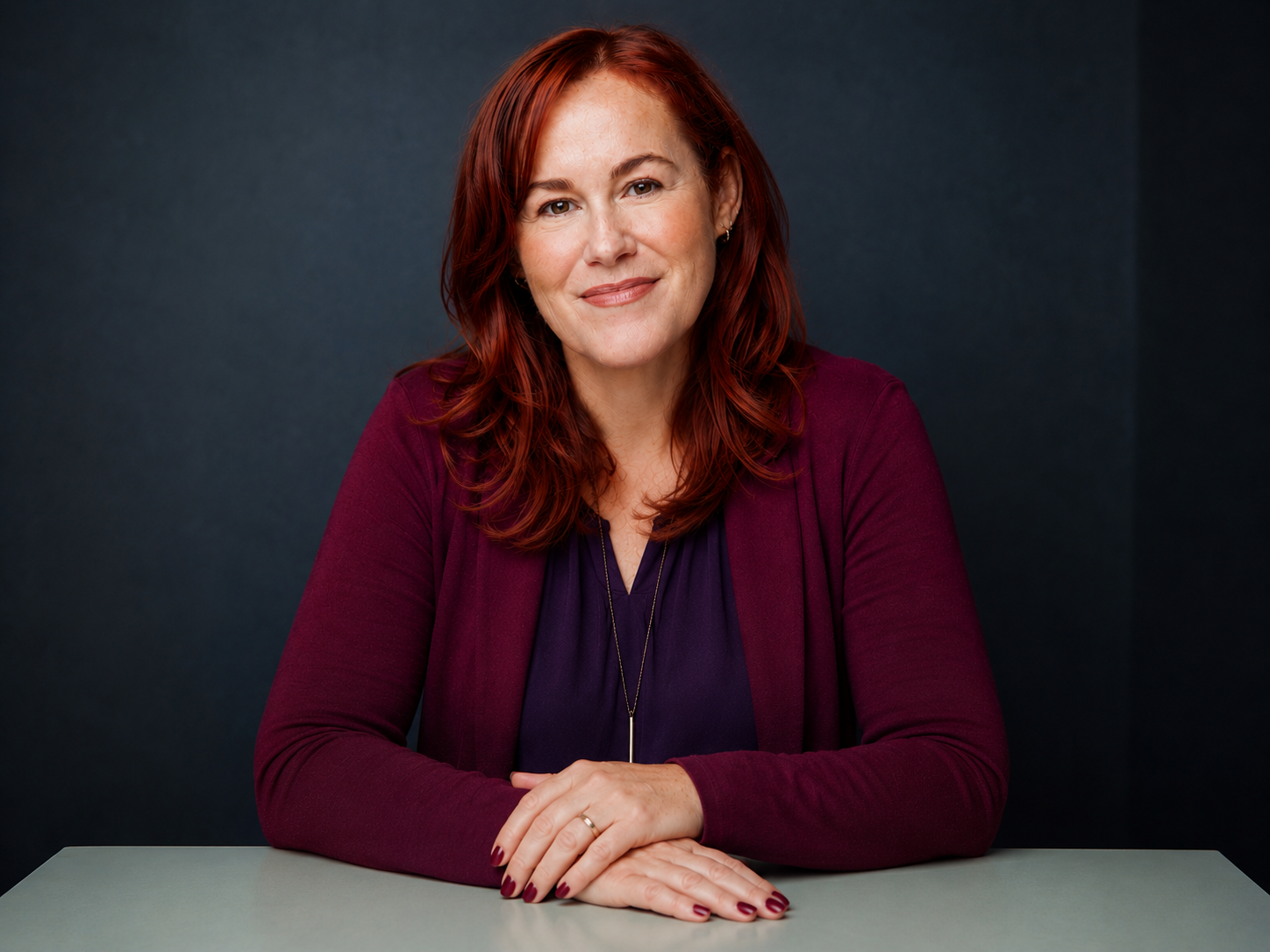
Alita Watson, Founder.
Before Alma, I spent fifteen years in global aid. I was inside some of the most complex human systems on the planet, translating across cultures, languages, power dynamics, and worldviews in environments where getting it wrong had real consequences. Not real consequences in the colloquial sense. Real consequences.
What I learned is that human systems break down in remarkably consistent ways. The technology changes. The industry changes. The vocabulary changes. But the dynamics are strikingly familiar: the translation gaps, the places where brilliant people cannot reach each other, the assumptions that go unspoken, and the shared understanding that never gets built. I’ve seen the same patterns in refugee coordination meetings and growth-stage startup boardrooms.
Different rooms. Different stakes. Same human work: helping people find their way back to each other.
When I moved into growth-stage companies, I began to recognize that much of what I had learned over fifteen years in global aid translated. Growth creates complexity, and complexity creates distance: between people, teams, perspectives, and sometimes between what leaders intend and what others experience.
I embedded inside Sonder. I worked with Knix. I built the collaboration labs at Spiritus. In each, my work was to help close that distance—not by giving people all the answers, but by building the shared language, practices, and structures that helped them find those answers together.
Organizations change when people can tell each other the truth and stay in relationship.
Shared reality is not a soft thing. It is infrastructure. Organizations that do not have it are running on friction they cannot see.
Better communication isn’t the end goal. The goal is to build organizations where people can be honest, navigate tension, make clear decisions, and stay connected while doing hard things together.
Every engagement starts with the Operating Culture Audit: a focused look at how your organization is actually working today, where things are getting stuck, and what might need to change. From there, we decide together what kind of work will make the greatest difference.
You don’t need to know exactly what’s wrong to begin. If you can feel that something isn’t working the way it should, that’s enough.
Alma means “soul” in Spanish. Because beneath every strategy, structure, and system is a group of human beings trying to build something together.